
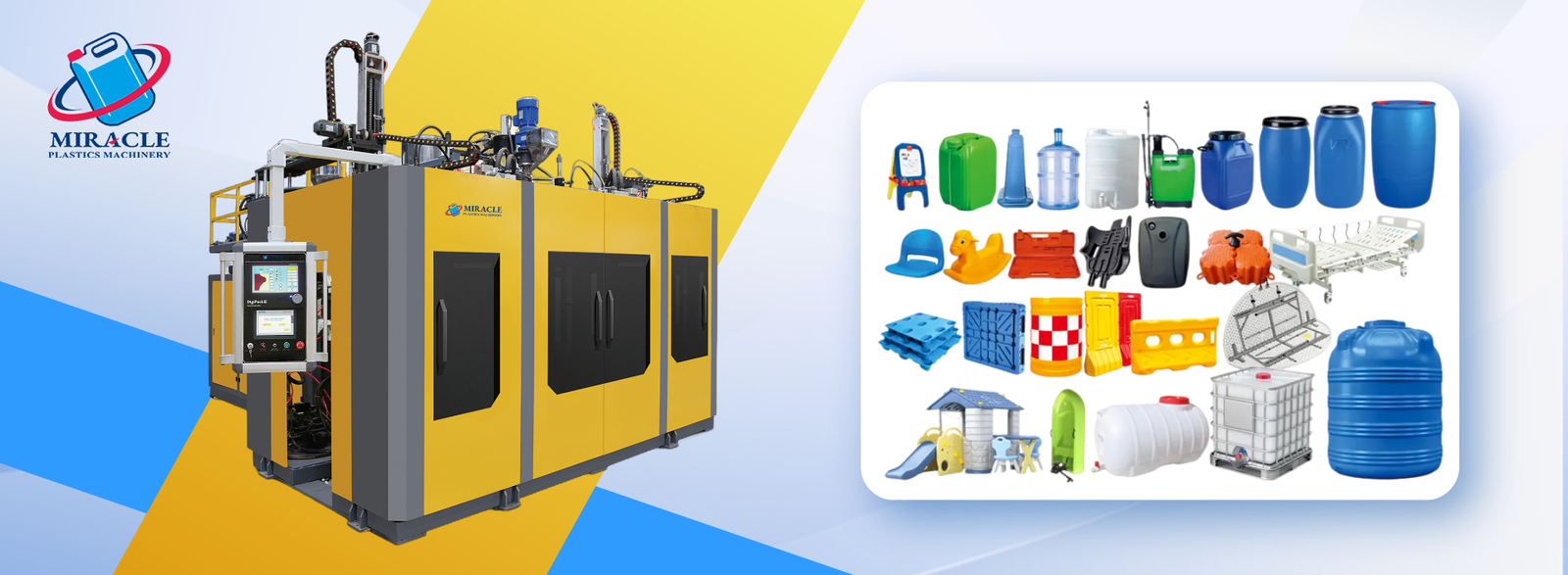
What is multilayer co-extrusion blow molding?
In multilayer co-extrusion blow molding, a plurality of preforms are first extruded through a co-extrusion die and then blow-molded in a mold to be finally shaped in the form of a hollow container.Several extruders melt and homogenize the same or different polymers, which are combined in a die to produce a multilayered concentric structure.The adhesion and bonding quality between the interlayers is critical to the success of this process since it plays a significant role in determining barrier properties, mechanical strength, and long-term reliability.
Co Extrusion Blow Molding Machine By Application
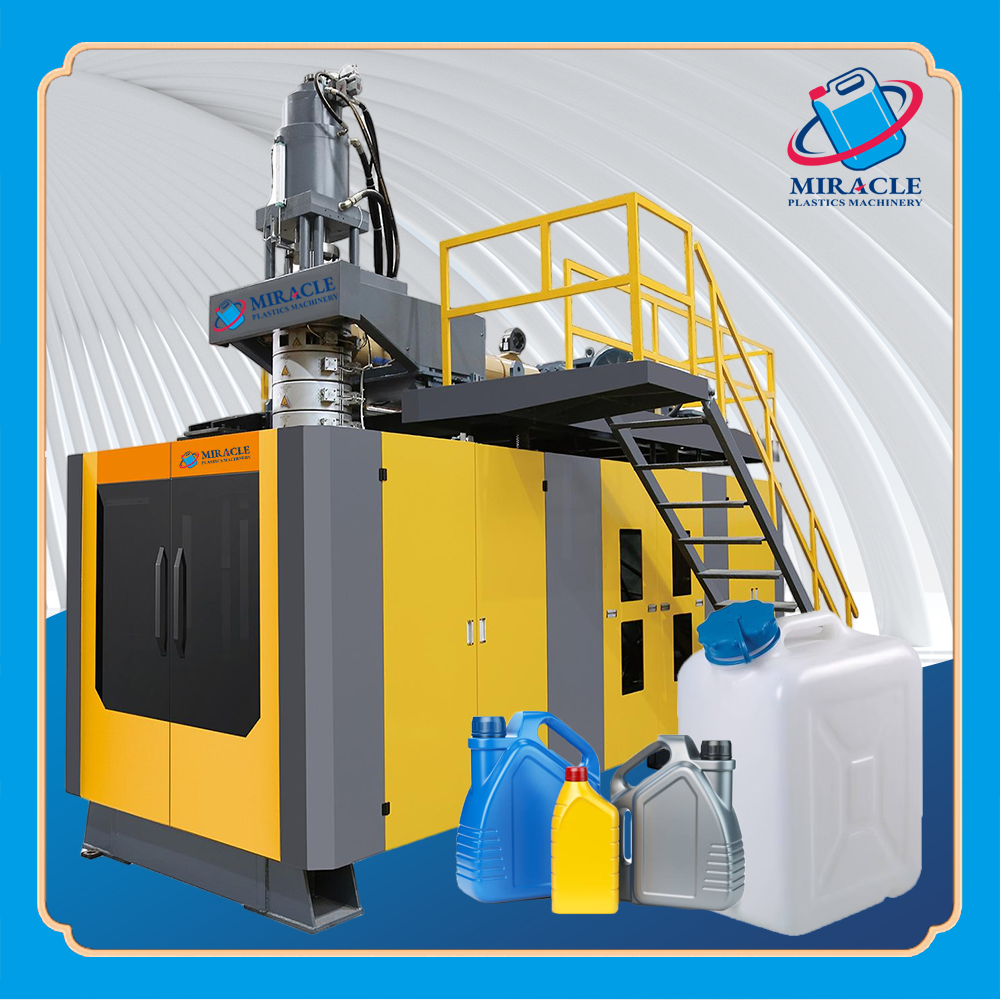
Produces durable jerry cans and containers up to 2 liters with reliable, high-precision blow molding.
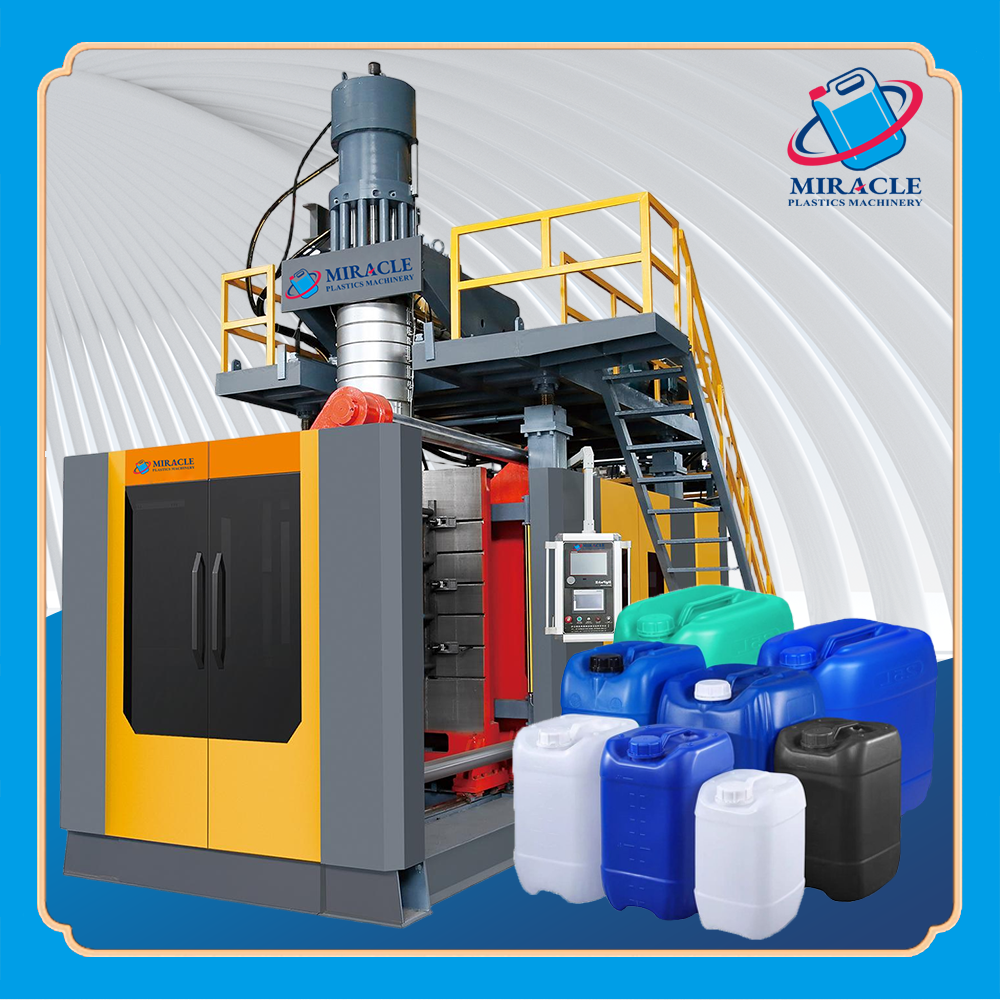
Produces large industrial water tanks and containers up to 20 liters.
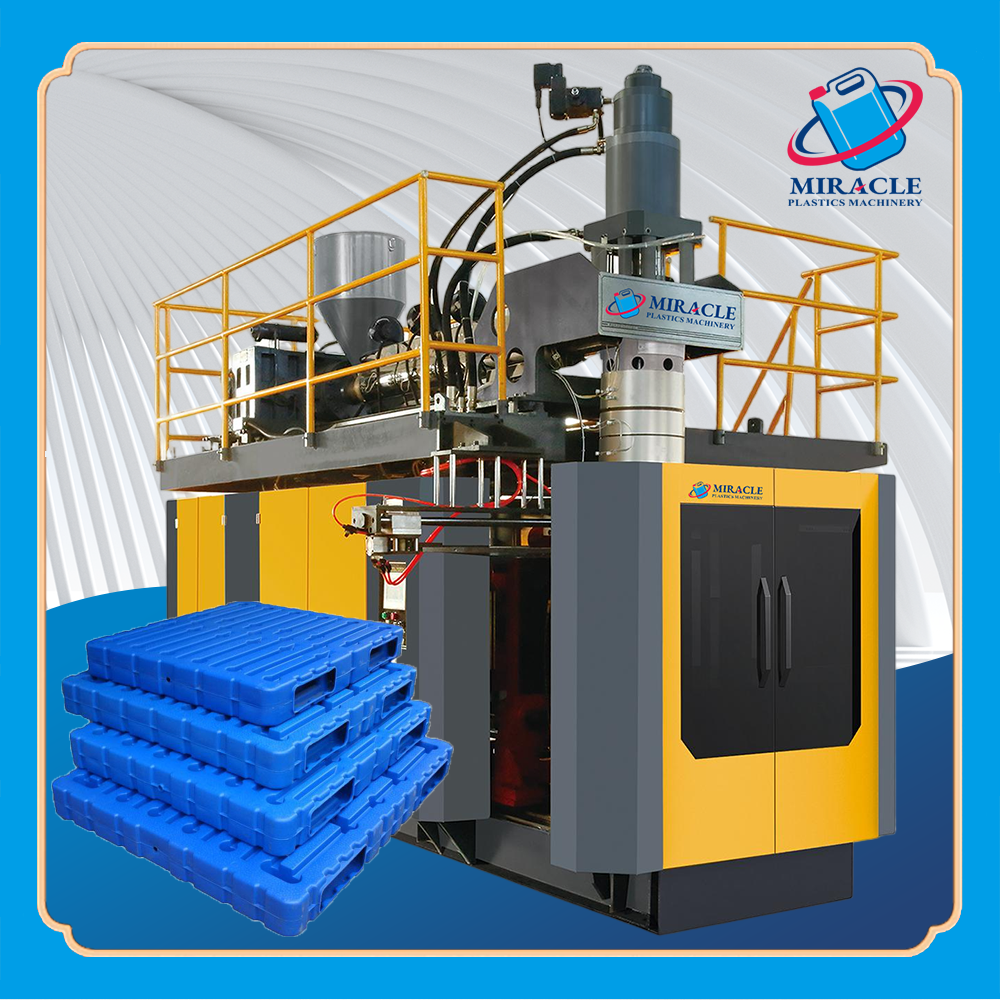
Produces heavy-duty, lightweight pallets with capacities up to 60 liters.
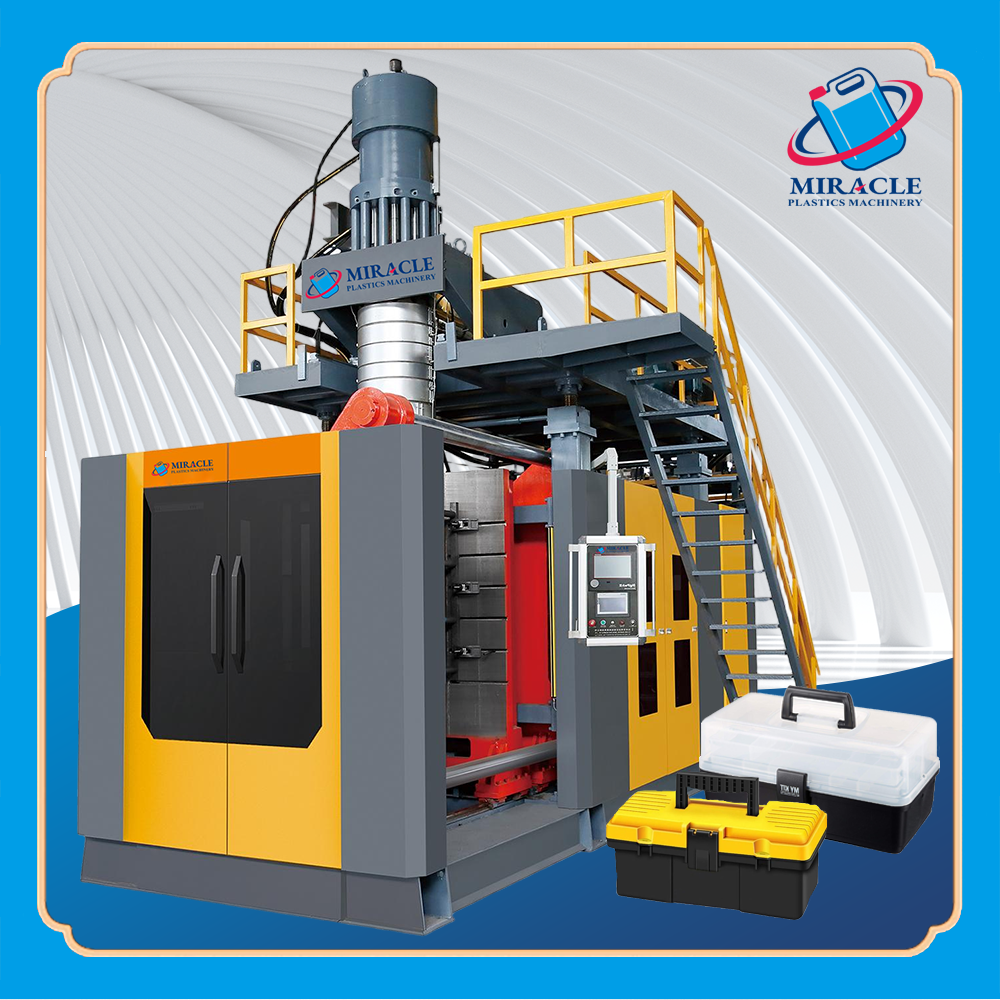
Continuous, high-output production of 5-liter containers.
Repeatable Multilayer Co-Extrusion: Control, Monitoring, and Fast Changeovers
The Miracle is engineered to provide repeatable multi-layer production by controlling the extruders in tandem to provide consistent melt delivery and layer ratios, use a uniform flow co-extrusion die for even layer distribution and feature process-monitoring functions. Die change is fast and simple to; on-site installation, commissioning and operation training is available. Miracle offers a one-stop service.
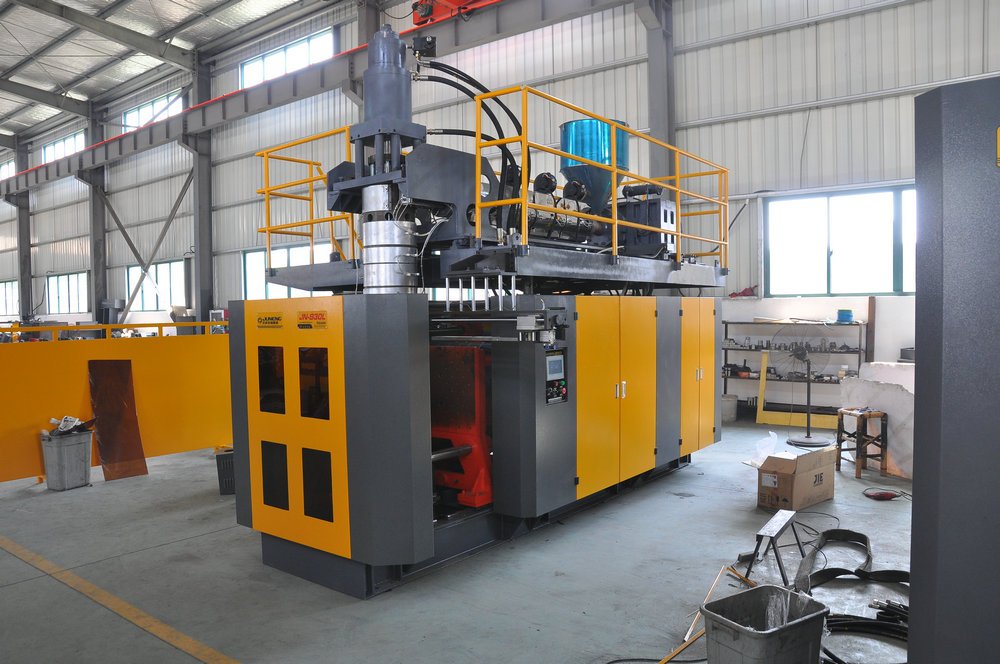
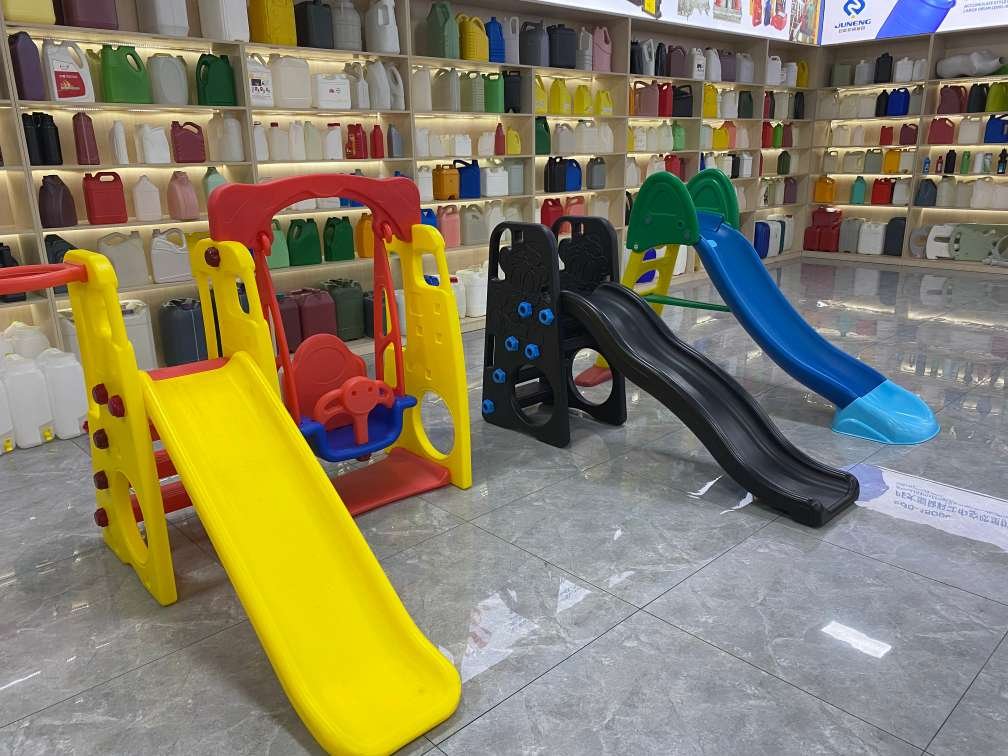
Real-World Output and Applications of Multilayer Co-Extrusion Blow Molded Containers
Actual output in the field will vary depending on container size/shape, resin selection, cooling ability and mold conditions. Miracle systems are engineered to manage scrap reduction, cycle time and quality stability in order to maintain high uptime and consistent performance throughout all shifts. Typical uses are packaging for food and drink, household and personal care as well as industrial liquid and chemical.
It depends on barrier targets, product compatibility, and cost strategy. Many applications start at 3–6 layers.
In many cases, regrind can be assigned to selected layers based on quality requirements and the intended application.
Material selection, barrier-layer thickness, layer distribution uniformity, and bonding quality are all critical.